May 28, 2026
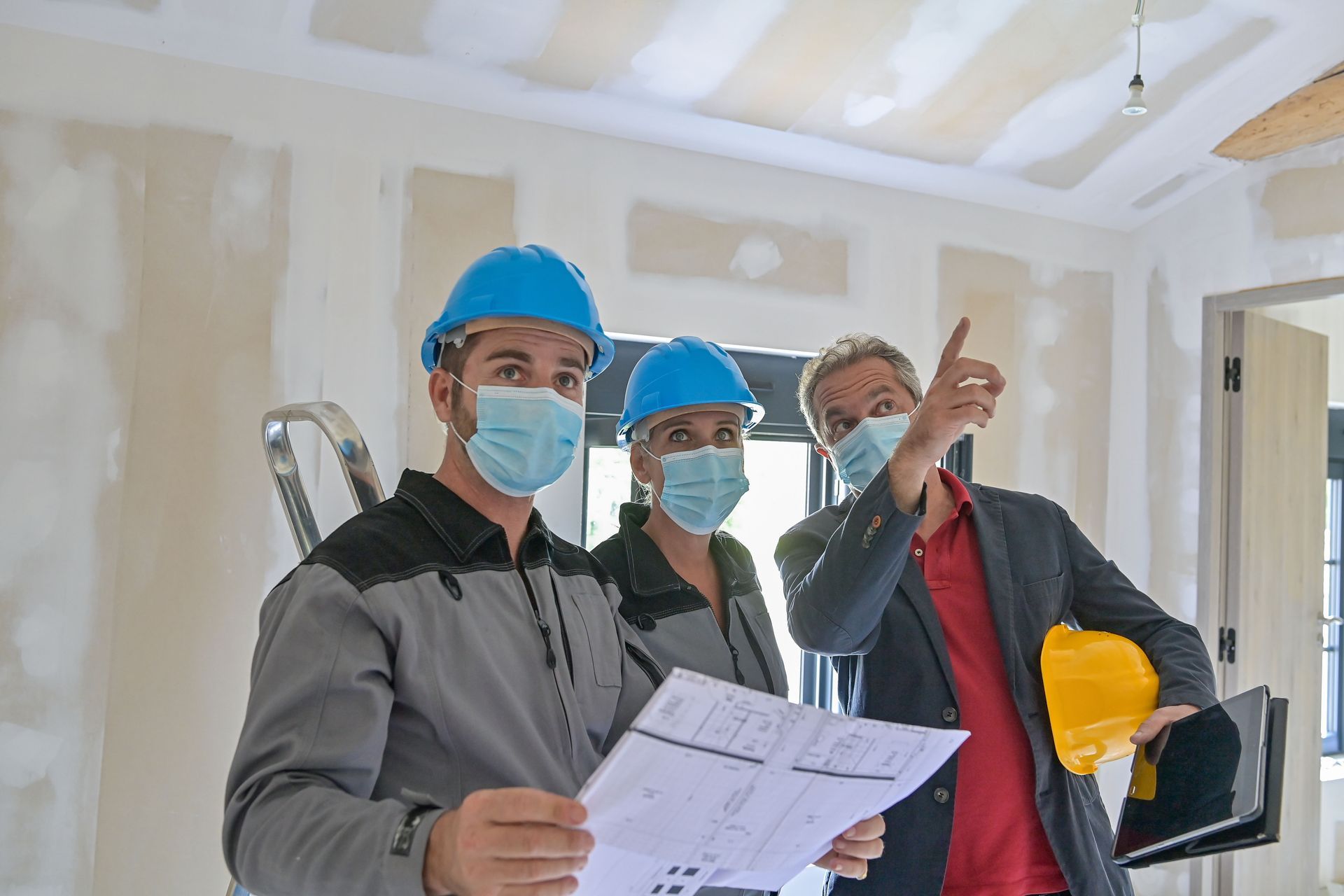
Selecting the professional who will oversee your home renovation or commercial build is one of the most consequential decisions any property owner will make. The person you hire acts as the primary orchestrator of a complex symphony involving architects, local officials, and specialized tradespeople. Because the stakes involve your financial security, physical safety, and aesthetic vision, the selection process must be rigorous and systematic. A successful project is not merely the result of high-quality materials; it is the product of meticulous management, clear communication, and professional integrity. Understanding the nuances of this selection process ensures that your investment is protected and that the final result aligns with your expectations.
The scale of the industry reflects just how essential these professionals are to the national economy and the expansion of our living spaces. According to the U.S. Census Bureau, the U.S. general contracting industry generated approximately $2.8 trillion in construction spending in 2024. This massive expenditure highlights the trust that millions of Americans place in construction leaders to execute their visions. However, with such a vast market, the variety in quality, expertise, and reliability is immense. To navigate this landscape, property owners must look beyond basic advertisements and dive deep into the credentials and history of potential candidates.
Verifying Professional Credentials
The first step in any screening process involves a thorough examination of legal and professional standing. You should never assume that a professional is properly registered just because they have a physical office or a professional-looking website. Each state and local municipality has specific requirements regarding licenses that a general contractor must maintain to operate legally. These licenses serve as a baseline guarantee that the individual has met the minimum competency standards set by regulatory boards. Verifying these credentials through official state databases protects you from unqualified individuals who may lack the technical knowledge required to meet modern building codes.
Beyond basic licensing, insurance coverage is a non-negotiable requirement for any legitimate operation. A reputable professional will carry both general liability insurance and workers’ compensation. Liability coverage ensures that any accidental damage to your property during the construction process is covered, while workers' compensation protects you from being held liable if a worker is injured on your site. When you ask for proof of insurance, do not settle for a verbal confirmation; request a certificate of insurance sent directly from the provider. This layer of protection is the hallmark of a serious professional who respects both their employees and their clients.
Assessing Past Performance
Historical data is often the best predictor of future results. When evaluating a potential hire, looking at a portfolio of completed projects provides insight into their aesthetic range and technical capabilities. You should look for projects that are similar in scope and style to your own. If you are planning a complex structural addition, a professional who primarily handles interior cosmetic updates may not be the ideal fit. A robust portfolio demonstrates that the general contractor has the specific experience necessary to handle the unique challenges associated with your particular project type.
Furthermore, speaking with previous clients is an essential part of the due diligence process. References should be able to speak not just to the quality of the finished product, but also to the professionalism shown during the process. Ask about their punctuality, their ability to stay within the agreed-upon timeframe, and how they handled the inevitable setbacks that occur during construction. A professional who maintains a list of satisfied clients who are willing to share their experiences is likely to provide the same level of service to you. Pay close attention to how they describe the cleanup process and the professional’s presence on the job site.
Analyzing Detailed Bids
Once you have narrowed your search to a few qualified candidates, the bidding process begins. It is crucial to request a line-item estimate rather than a single lump sum. A detailed breakdown allows you to see exactly where your money is going, covering everything from demolition and waste removal to the specific brands of fixtures being installed. When a general contractor provides a granular bid, it demonstrates a high level of transparency and a deep understanding of the project’s logistical requirements. It also allows you to compare different bids more accurately by ensuring you are looking at equivalent services and materials.
Beware of bids that seem significantly lower than the average. In the construction world, an unusually low price can often signal that the professional is cutting corners, using inferior materials, or failing to include necessary costs that will appear later as expensive change orders. A realistic bid reflects the true cost of labor, quality materials, and the overhead required to run a safe and efficient job site. By carefully analyzing these documents, you gain a clearer picture of the professional’s organizational skills and their commitment to financial honesty throughout the duration of the build.
Evaluating Communication Styles
The relationship between a property owner and a project lead is inherently collaborative, meaning that communication is the heartbeat of the project. During the initial consultation, take note of how quickly the professional responds to your inquiries and how clearly they explain technical concepts. If a general contractor is difficult to reach during the sales phase, they are likely to be even harder to contact once the work has begun and problems arise. You need someone who is not only reachable but also proactive in providing updates and explaining the potential impacts of different design choices.
Effective communication also involves a willingness to listen. The right professional will take the time to understand your goals, your lifestyle, and your budget constraints before offering their own suggestions. They should act as a consultant, helping you navigate the trade-offs between different materials or layout options. A professional who dominates the conversation or dismisses your concerns is unlikely to be a good partner in the long run. By prioritizing a high level of rapport and mutual respect from the very beginning, you set the stage for a smoother construction experience and a more successful final outcome.
Choosing the right leader for your construction project is a journey that requires patience, research, and a keen eye for detail. While the sheer number of options in the industry can feel overwhelming, sticking to a structured evaluation process will lead you to a professional who values quality as much as you do. By focusing on verified credentials, proven history, transparent pricing, and clear communication, you significantly reduce the risks associated with major construction. The goal is to find a partner who will treat your property with respect and execute your vision with precision and care.
When the dust finally settles and you walk through your newly completed space, the value of a high-quality professional becomes clear. A project managed with integrity and expertise not only looks better but also functions more efficiently and lasts longer. Taking the time to perform this due diligence is the best way to ensure that your construction experience is a positive one and that your property remains a source of pride for years to come.
At S R General Contractor, we understand the immense trust you place in our hands, and we are committed to providing the transparency, craftsmanship, and professional management necessary to bring your most ambitious projects to life.